Crossing the street to walk in the sunny side
Deciding to turn right at the church after all, so; abruptly stopping at the green light waiting for the one on your right to switch
Meanwhile,
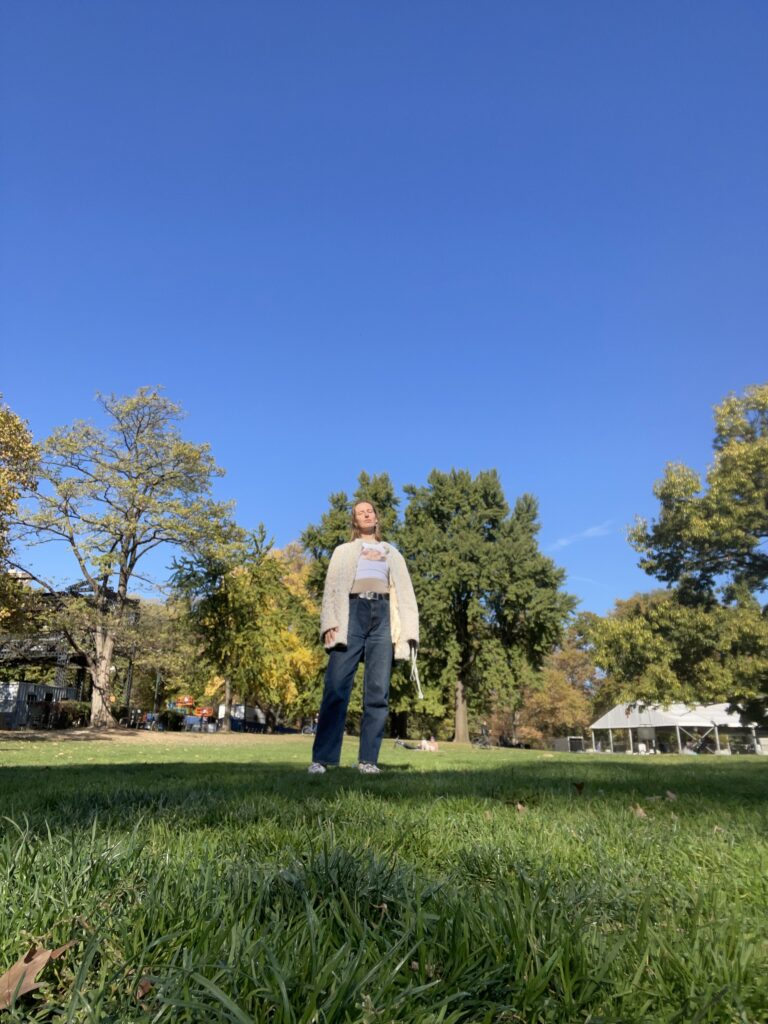
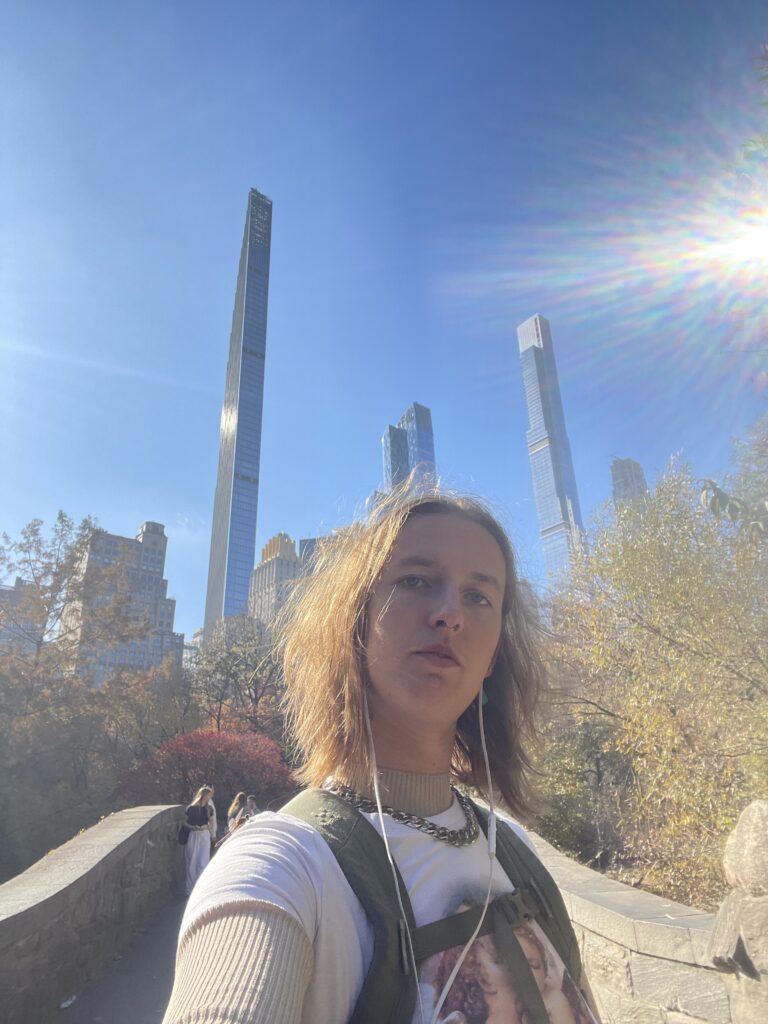
a beautiful dude looks up, more vertically than anyone else that day,
and stretched his arms up in front of his face,
almost not catching the fannypack somebody throws out the window
but after all catching it, reciprocating the gift with a thumbs up and a grin like it’s not the first time in a while,
perhaps it’s become a tradition and they’re enjoying it because it’s a very apartment-core thing to be doing on a Sunday in Nørrebro,
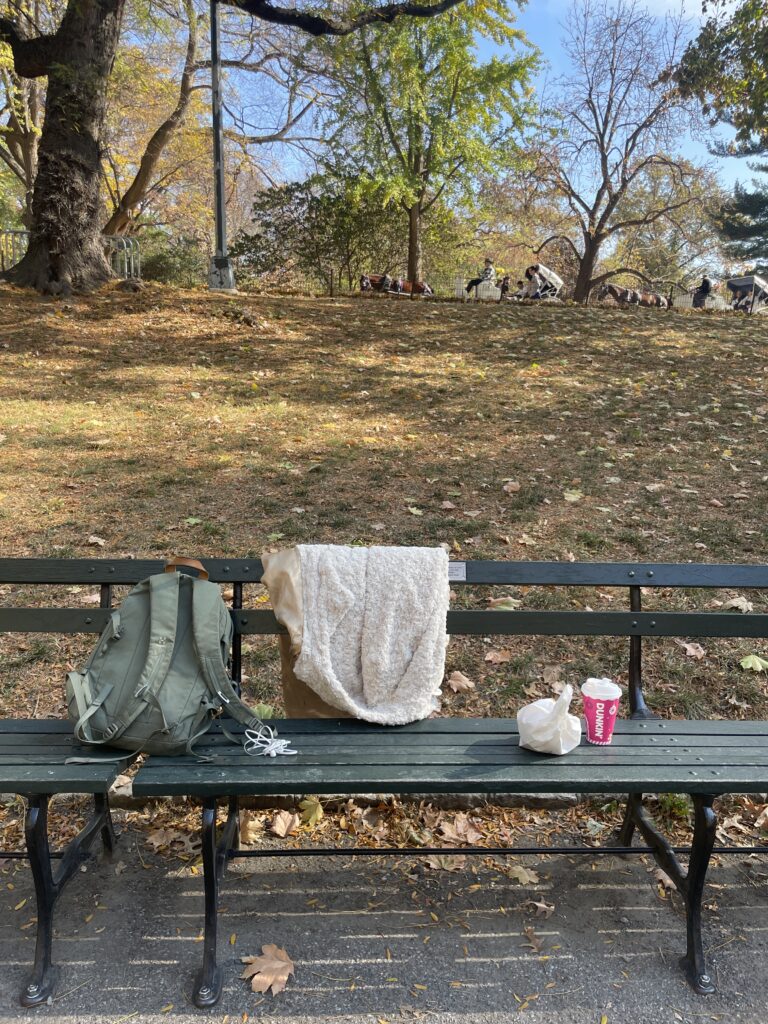
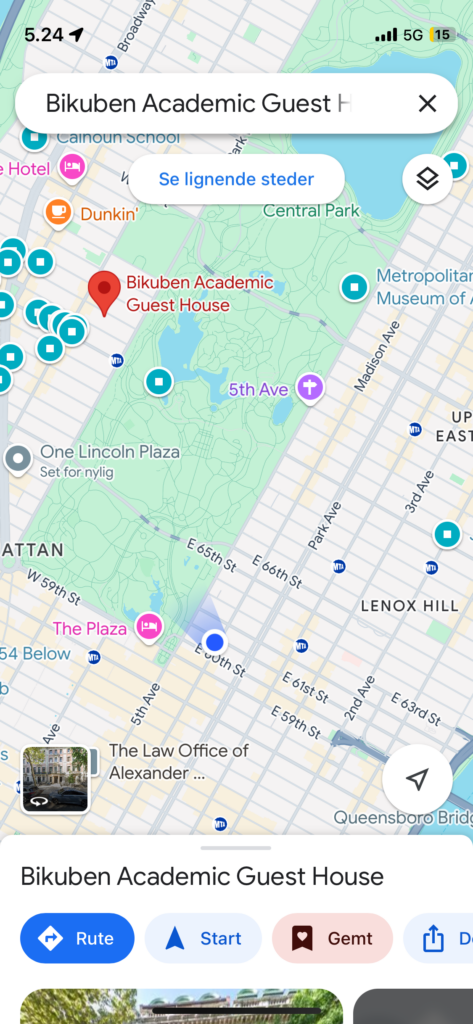
and as the bagpipe-intro of “run away with me” by carly rae Jepsen blasts kindly through your ears you enter the park on Central Park West and 72nd, and you turn up the music to avoid the singer-songwriter paying endless tributes to john lennon in the Strawberry Field section of that particular entrance, and you’re almost hit by a horse wagon except
now the song is “daydream in blue” by monster and you don’t know whether to associate it the most to “mr. robot” or “severance” so you’re almost hit by a bike and there’s obviously no horse in sight,
vi er jo ik I indre by og du har sgu aldrig set hestepolitiet på den her side af søerne
og du tænker på at de aldrig rigtig fandt ud af hvor sjov, du egentlig er, selvom de roste dit engelske til skyerne,
du blev så træt af at høre dig selv sige ”that’s amazing” og ”that’s so, so great”.
Derovre sidder victor lander vist, ham komieren du engang snavede med på nørreport
Ellers er det jesse plymouth fra den scene i Civil War du aldrig glemmer,
Fortsat skuffet over ikke at have set andre ægte kendte end Sarah Jessica Parker og Donald Trump,
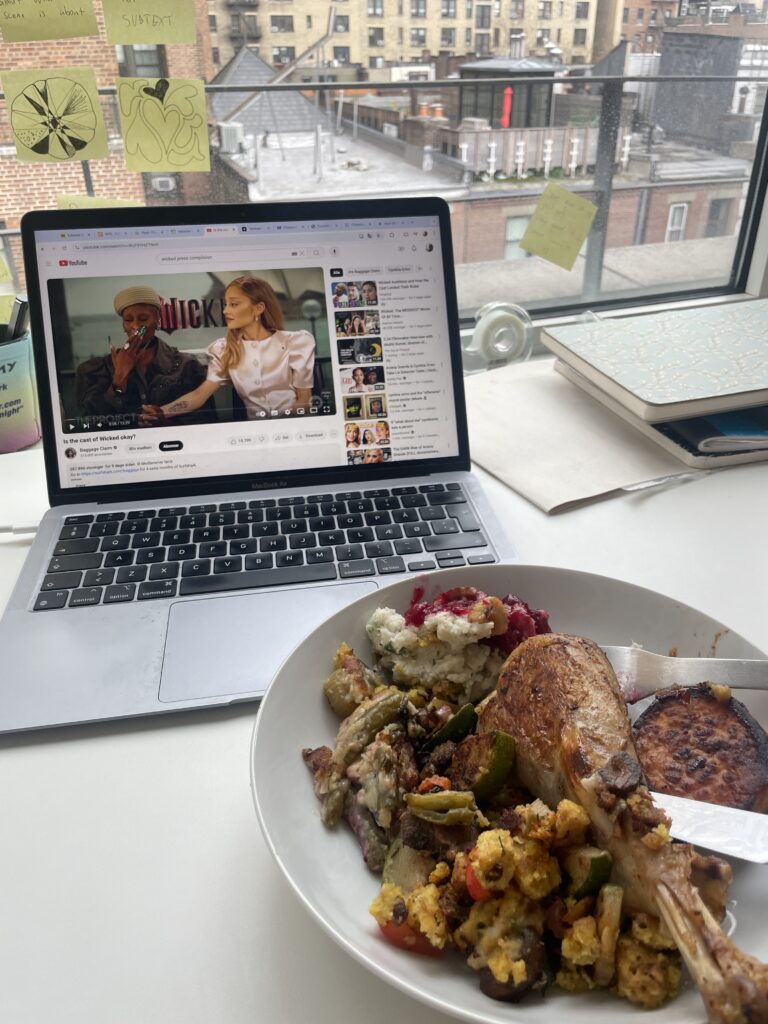
Du tænkte at 5 måneder måtte betydet at du rendte ind i Adam Driver mindst én gang, det er jo ik fordi du ikke var i DUBMO hvor han bor eller i midtown Broadway hvor han spillede, men sådan går det jo nok bare når man ikke har råd til en billet og ikke rigtig vidste at det var normalt at hænge ud ved stage dooren
På stefansgade leger børnehaven yggdrasil, og petra og clive render rundt på det væltede fly men solen skinner og ingen vandpytter er at finde på denne fastelavnssøndag,
You can’t believe this is supposed to be the danish version of halloween because there are absolutely zero costumes around, and the only scrappy versions of them are hidden. Underneath layers and layers of jackets, and it’s only children, tiny children,
Where’s the fun in that?? You thought Europeans were supposed to be fun and slightly extravagant, at least in a stylish city like Copenhagen but maybe that’s the point, maybe the city’s too vain to dress up its adults. Not very solidary, you contemplate, as-
En fyr I shorts cykler forbi med en guitartaske på ryggen der er så lille at det næsten må være en ukulele og det orker du slet ikke
Mon du kan slippe afsted med ikke at købe en kop kaffe her på det udendørs bord, eller tror hun at de efterladte kopper var dine? En fremmed mand der sandsynligvis er på vej ind for at købe en fadøl (til) stopper simpelthen op og kommenterer mit klimahandling-klistermærke på min laptop med en thumbs up, og sikke dog et cute community af tommelfingre vi har os i dag her i verdens næstbedste by?
Jay-z rapper om tribeca og det var rart for dig at finde ud af at der faktisk ik rigtig er nogen grund til a ttage derhen,
Det var mindre rart for dig at finde ud af at der faktisk ik rigtig var nogen grund til at skrive det her,
Lettere ubehageligt at erkende at din dagbog måske bare er netop det
Og du gider ik læse mere om at være en ung kvinde i københavn så hvorfor skriver du det så,
Tænker du,
Måske hvis du krydrer det med krydsklip til new york kan der findes relevans i glitchene,
Ellers er det bare dobbelt op på metropolitan white life
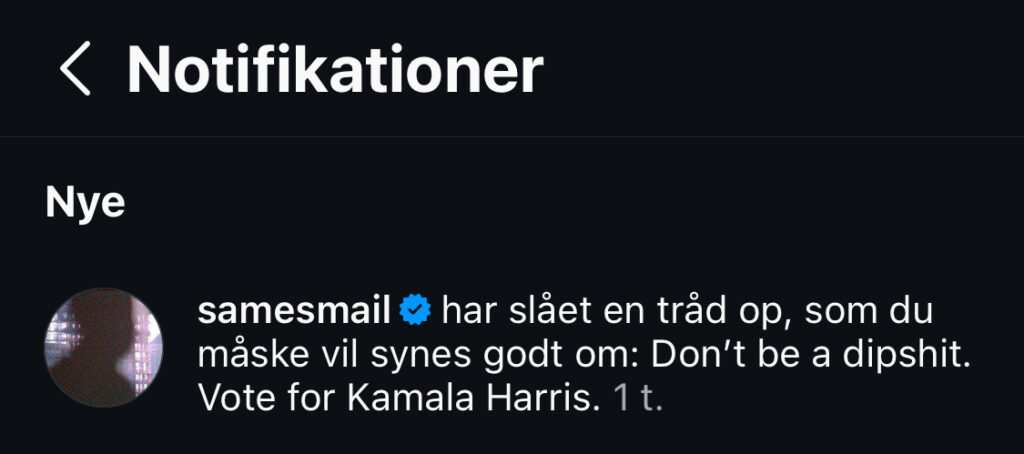
Og så hårdt har fjerdebølgefeminismen heller ikke brug for din stemme,
Specielt fordi den ikke er udtalt men bare flyder lidt rundt i dit blod og aktiveres når du nægter at træde et skridt til siden i fodgængeroverfeltet når mændene stormer imod dig,
Alicia synger om inspirerende lys og du må indrømme at høje gladsaxes betonboliglys i nattemørket i går fik dig til at tænke på et eller andet du ikke har tænkt på længe i det minuts tid, du kørte forbi, før 4A allerede var bumlet forbi din gamle folkeskole
and you think of a difference,
Suddenly you give a second to the entertain the though of having a past
New york is different to you because this is where your stories were born
These are the corners you turned when in love or looking for a boy to fall in love with,
The bagel store on the corner of 68th and westend avenue is where your father used to bring you on Tuesday nights after ballet practice,
And the golden roof on the midtown building is the mythical place you projected all your fantasies into,
And walking up the circular hallway of the round tower in copenhagen will never do that to you
It can’t give you anything but instant appreciation without lore,
There can be no lore if there’s no past, or at least the lore can never belong to you, and so Copenhagen will always begin right now for you, now is when you’ve begun and you can never alter that timeline, only proportionally can it become a long time since the first time, but the case of the childhood stories are forever lost, the adolescence as well and you gotta get moving, sweet girl, you gotta get moving if here’s wher you wanna experience the rest of your youth, so much in fact that I’d advise you to not really leave, because multiple lives and recurring alienation will take it out of you in ways you couldn’t anticipate because you’ve only heard it from other people’s lore and like I just told you, –